Thermal Oil Boilers for Bitumen Equipment: Selection Guide
GerryJarlI. Working Principle
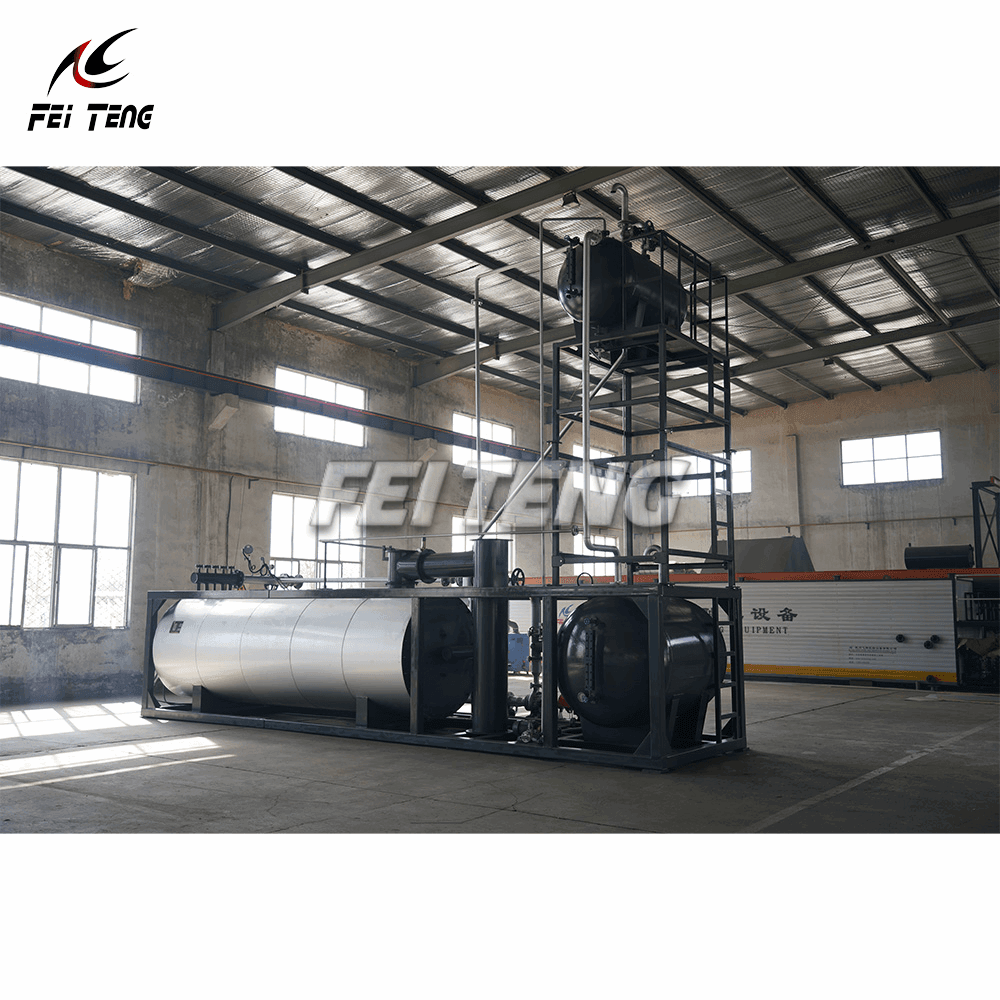
The working principle of thermal oil boilers primarily relies on the high temperature and heat transfer performance of thermal oil. The specific processes include:
- Heating: The burner in the thermal oil furnace transfers the heat generated by burning fuel (such as coal, oil, gas) to the thermal oil in the heat exchanger (also known as the furnace or combustion chamber).
- Heat Exchange: The thermal oil is heated in the heat exchanger, raising its temperature. The heat exchanger is usually a pipeline system, where the thermal oil flows and exchanges heat with the high-temperature combustion gases in the combustion chamber.
- Circulation: The heated thermal oil is pumped out of the heat exchanger and then circulated back to the heat exchanger, forming a cycle of thermal oil flow. This maintains the temperature and heat transfer effect of the thermal oil.
- Heat Transfer: The heated thermal oil is transported through pipes to the equipment or process that requires heating. In the equipment or process, the thermal oil transfers heat through heat exchange, raising the temperature of the medium (such as air, water, steam, etc.).
- Control: Thermal oil furnaces are usually equipped with a control system to monitor and control parameters such as the temperature, pressure, and flow rate of the thermal oil, ensuring stable temperature and safe operation within the furnace.

II. Product Characteristics
Efficiency and emissions depend on the heat source, system configuration and operating conditions. Confirm applicable environmental requirements and request project-specific heat-loss, efficiency and emissions information.

III. Fields of Application
The applications of thermal oil boilers are extremely wide, including but not limited to:
- Chemical Industry: Used for distillation, evaporation, drying, insulation, melting, and other processes.
- Plastic and Rubber Industry: Used for hot pressing, extrusion, kneading, dense refining, and heating and insulation of molds.
- Textile Printing and Dyeing Industry: Used for dyeing, drying, sizing, printing and dyeing, and ironing and heat setting of chemical fibers.
- Food Processing Industry: Used for the maturation treatment of flour products, high-temperature frying of soy products, and high-temperature sterilization of meat products.
- Papermaking Industry: Used for heating and dissolving chemicals, concentrating black liquor, and forming pulp.
- Building Materials Industry: Used for heating asphalt, dissolving, and adjusting the heating temperature of emulsified asphalt.
- Edible Oil Chemical Industry: Used for decomposing fats and oils, hydrogenation reactions, concentration, distillation, etc.
- Timber Industry: Used for hot-pressing and drying timber.
IV. Merits and Demerits
Advantages:
- Operating Pressure and Protection: Confirm the design pressure, expansion arrangement, protective devices and inspection requirements for the proposed system.
- Thermal Performance: Request efficiency and heat-loss information for the selected heat source, equipment configuration and operating conditions.
- Simple Operation: The equipment is simple and easy to operate and maintain.
- Efficiency and emissions depend on the heat source, system configuration and operating conditions. Confirm applicable environmental requirements and request project-specific heat-loss, efficiency and emissions information.
Disadvantages:
- High Transportation and Maintenance Costs: The need for specialized oil media.
- Difficulty in Risk Control: Strict control of oil temperature is required to prevent safety accidents such as fires.
- Slow Start-up and Shutdown: Longer start-up and shutdown cycles.
- Oil Leakage Contaminates the Environment: Once leakage occurs, it pollutes the environment and requires costly cleanup and handling.
In summary, thermal oil boilers play an important role in multiple industrial fields due to their unique working principles and advantages. However, the disadvantages and potential risks should also be fully considered when selecting and using them.
Prepare a Heating-System Enquiry
List the heat users, starting conditions, required heating time, site utilities and connection responsibilities. When the heater serves storage equipment, use the bitumen tank buyer's guide to identify the associated scope, then send FEITENG your project requirements for a configuration review.


